
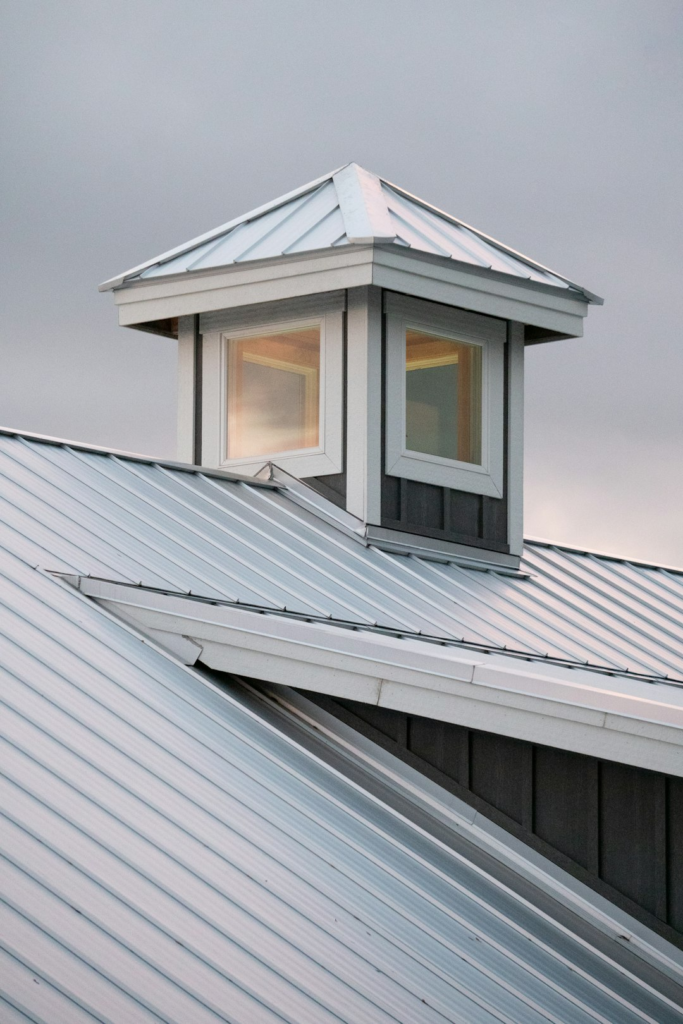
Choosing a roof for a custom North Carolina house is rarely just about looks. Your ridge height, roof pitch, exposures to salt air and seasonal storms, desire for a low profile across long roof runs, appetite for long‑term durability versus near‑term budget limits, and access to experienced installers all matter. Below are practical comparisons and the specific contract details that will keep a new roof performing for years.
How each material behaves in North Carolina weather
Standing‑seam metal: The product’s strengths are durability, noncombustibility, and a slim, continuous profile that performs well on long runs and modern forms. Metal sheds snow and rain quickly and can resist fire better than organic shingles. But metal expands and contracts with temperature shifts, and without correct detailing and a solid substrate it can amplify rain sound in heavy storms. Coastal salt air accelerates coating wear, so gauge, coating type, and fastener strategy (concealed versus exposed) matter more near the Atlantic.
Architectural asphalt shingles: Heavier‑weight laminated shingles are familiar to local contractors and homeowners. They are easier to patch or replace in small sections, and for many parcel shapes they install quickly. The tradeoffs are shorter typical service lives compared with high‑end metals and greater vulnerability to uplift in extreme wind events if not nailed and flashed correctly. In some coastal or high‑wind insurance markets, aging shingle roofs can affect coverage options—reported coverage changes in nearby states underscore the need to plan lifecycle replacement early.
Reported fact: media coverage shows growing online interest in metal roofing and reporting that shingle roofs in certain states affect insurance options as they age. These items are industry signals rather than technical performance guarantees and should be considered context, not a substitute for site‑specific advice (see source notes).
Which option fits which homeowner priorities
- Choose standing‑seam metal when: your priority is long‑term durability, fire resistance, a clean modern profile across long roof runs, or you have a complex roof geometry where fewer seams reduce leak risk. It also makes sense when you can budget for a higher initial cost and you can source an installer with proven metal‑roof experience.
- Choose architectural asphalt shingles when: your immediate budget is tighter, you want the widest choice of local contractors, or you anticipate doing piecemeal repairs or replacements over time. Shingles are also a pragmatic choice when design or HOA constraints favor traditional appearances and when you prefer a lower‑complexity reroof later.
Installation details to put in your contract
Whether you pick metal or shingles, the contract should call out specific materials and methods. Vague language invites failure.
- Underlayment: Specify the type (e.g., high‑temperature synthetic underlayment rather than standard felt for steep roofs), number of layers where manufacturers or local code require it at valleys, and installation methods (full coverage versus drip‑edge only). In coastal settings, certain synthetic underlayments resist moisture better during construction and after severe weather.
- Flashing: Require metal step and counter‑flashing at chimneys, continuous metal at rake and eave details, and factory‑made valley flashings where available. Specify that all flashings be installed with corrosion‑resistant fasteners and appropriate sealants; avoid “install per manufacturer” without naming the exact flashing profile and material gauge.
- Attachment method for metal: Decide concealed fasteners (clip/standing‑seam systems) versus exposed fastener panels. For standing‑seam roofing, the contract should note panel width, clip type, seam height, and whether panels allow for thermal movement. Specify that installers verify fastener torque and use clip spacing appropriate to local wind loads.
- Coastal choices: If you are near the beach, add language requiring specific coating systems, minimum metal gauge, and a corrosion‑resistant fastener schedule. Ask for expected coating maintenance or suggested recoating intervals in the job packet—coatings can weather faster in salt air and warrant different upkeep than inland installations.
Maintenance and likely tradeoffs over time
Metal requires fewer full‑system replacements but has maintenance needs: inspect fasteners/clips, check sealants around penetrations, and watch for coating abrasion from nearby trees or grit. Metal can be noisier during heavy rain unless you include solid or insulated sheathing and appropriate underlayment; discuss acoustic treatment up front if interior noise is a concern.
Shingles are easier to repair by section, and replacement materials are widely available. But expect to plan for a full replacement earlier than a quality metal roof, and confirm that the roof assembly and attic ventilation meet current requirements so shingles don’t degrade prematurely.
Installer selection, warranties, and verification
Metal roofing is more installation‑sensitive. A metal roof improperly detailed for thermal movement or with poor flashing at penetrations is at real risk of leaks even though the panels themselves are durable. Verify installers by visiting recent local jobs, asking for references for comparable details (standing seam, concealed clips, coastal projects if applicable), and confirming insurance and trade credentials.
Request written warranties that name materials and workmanship separately. Check whether the manufacturer’s finish warranty applies in your microclimate and whether it requires registered installation by a certified contractor. Be cautious with promotional material and press coverage: use it as a starting point for vetting, not an installation guarantee.
Questions to put to your builder or roofer
- What exact underlayment product and thickness will you install? Will you use full‑coverage synthetic underlayment or felt?
- Can you show recent jobs in similar climates and roof geometry? May I contact those homeowners?
- For metal: what gauge, seam height, clip type, and coating system do you recommend for my site? How do you accommodate thermal movement?
- For shingles: what nailing pattern, shingle brand/type, and starter/drip edge details will you specify to meet local wind requirements?
- How will you protect landscaping and HVAC equipment during installation, and what is your cleanup policy for fasteners and debris?
- What exactly is covered by the workmanship warranty, and what steps void the manufacturer’s finish warranty in a coastal setting?
Conclusion: match the roof to your priorities
If your priorities are long service life, fire resistance, and a cleaner, low‑profile look over long roof runs—and you can budget for higher upfront cost and find an experienced metal roofer—standing‑seam metal is a strong fit. If your constraints are initial budget, broad local contractor availability, and ease of small repairs, architectural asphalt shingles are a practical, familiar choice. In either case, spell out underlayment, flashing, and attachment details in the contract, verify installer experience with comparable jobs, and add coastal‑specific language when salt air is a factor. That combination of site‑first selection and tight contract details is the best way to get a roof that lasts and performs where you live in North Carolina.
Frequently Asked Questions
Will a metal roof make my house noisier when it rains?
Metal can amplify rain noise if installed over minimal sheathing or with thin underlayment. Specifying solid deck sheathing, appropriate insulation in the attic, and a quality underlayment reduces interior noise. Discuss acoustic expectations with your builder and ask for examples of completed interiors.
Do I need a different underlayment for coastal homes?
Coastal homes benefit from durable synthetic underlayments that resist moisture during construction and perform better over time than basic felt. Also require corrosion‑resistant flashings and consider specifying coatings or higher metal gauge for salt‑air exposure.
How important is installer experience for standing‑seam metal?
Very important. Standing‑seam systems depend on proper clip placement, allowance for thermal movement, and precise flashing. Ask for recent comparable jobs and check references before committing.
Can asphalt shingles withstand high winds in North Carolina?
Architectural shingles can perform well if installed to current wind‑rating and nailing patterns and if you use appropriate starter and ridge components. For homes in hurricane‑prone zones, discuss wind ratings and fastening methods with your builder and verify local code requirements.
What should be in the warranty language?
Ask for separate, written material and workmanship warranties that name specific products, coating systems, coverage terms, and any maintenance conditions. Verify whether a manufacturer’s finish warranty requires installation by certified contractors to remain valid.
Sources & Further Reading
- Local Metal Roofing Company Reaches Extraordinary Milestone: Gator Metal Roofing Surpasses 4 Million YouTube Views – PRWeb
- No More Asphalt Shingles: This Eco-Friendly Roofing Alternative Is Gaining Popularity – AOL.com
- Florida homeowners lose competitive insurance options once shingle roofs pass 15 years – Yahoo Finance
- Thomas Roofing and Repair Sees Rising Demand for Roofing Company in South Daytona, FL – The National Law Review
- MIBE Roofing Announces Full-Service Roofing Operations Across Miami-Dade, Broward, and Palm Beach Counties – openPR.com